E-Waste – definition & impact
E-waste refers to discarded electrical or electronic equipment, including components, sub-assemblies, and consumables that are part of the equipment when it becomes waste. It is a big issue because these devices contain toxic materials like lead and mercury that can pollute soil and water if not disposed of properly. In Ghana, e-waste is a growing concern, especially with the influx of used electronics from abroad. Proper recycling and disposal are key to mitigating its impact.
Types of equipments that can become e-waste includes the following six categories:
- Temperature exchange equipment like refrigerators, heat pump or air conditioners
- Screens, monitors, and equipment containing screens
- Lamps including straight fluorescent lamps, high intensity discharge lamps, pressure sodium lamps and metal halide lamps and others
- Large equipment such as household appliances (washing machines, electric stoves and more), equipment reproducing sound or images, large computer-mainframes, large printing machines, large medical devices, photovoltaic panels among others
- Small equipment including vacuum cleaners, carpet sweepers, microwaves, ventilation equipment, irons, toasters, radio sets, video cameras and recorders, Hi-fi equipment among others
- Small IT and telecommunication equipment like mobile phones, GPS, pocket calculators, routers, personal computers, printers,
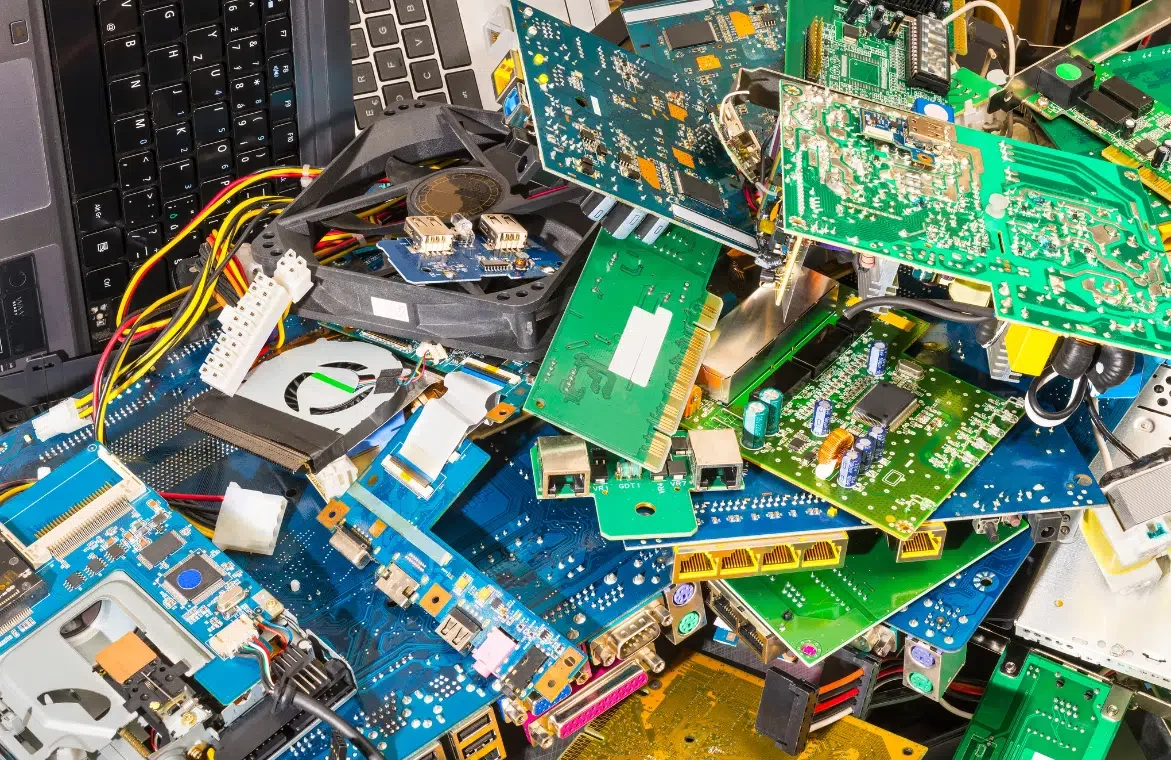
What do we consider e-waste
• Mobile phones
• Screens & monitors
• Lamps & lights
• Batteries
• IT equipment
• Parts & cables
• Laptop & computers
• Printers
• Washing machines
• Vacum cleaners
• Microwaves
• Air conditions
• Heat pumps
• Refrigerators
Global Dumping Sites
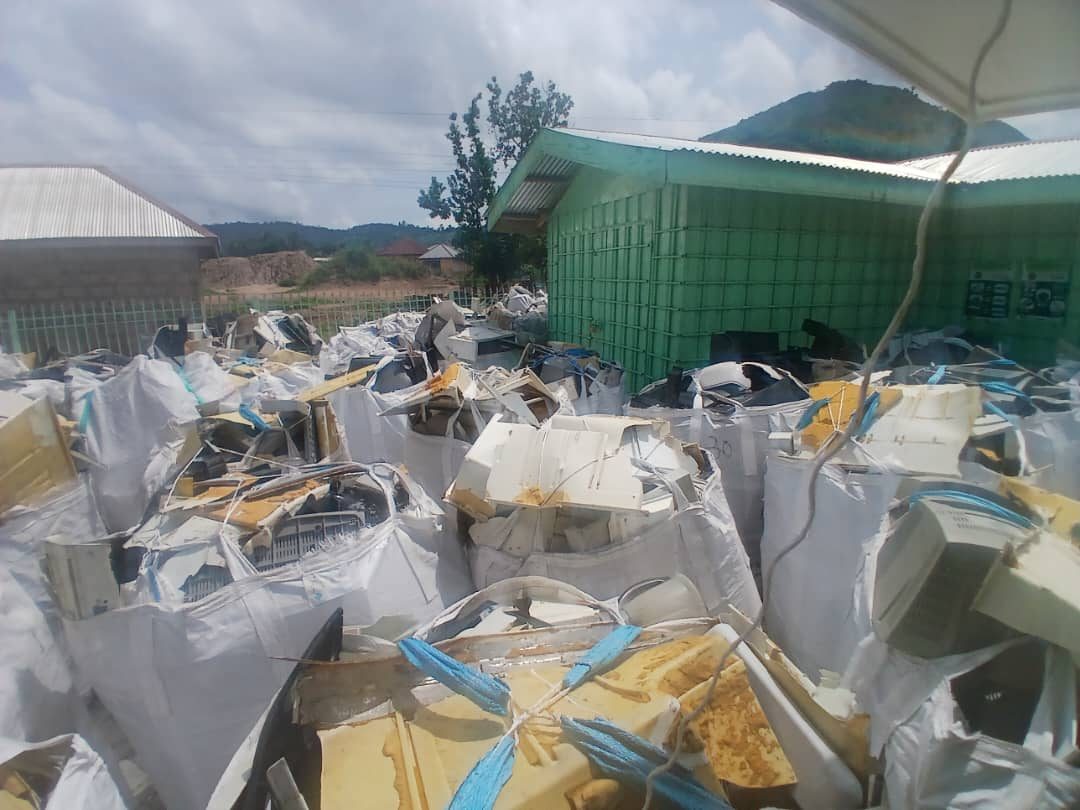
Container flow of used electronincs
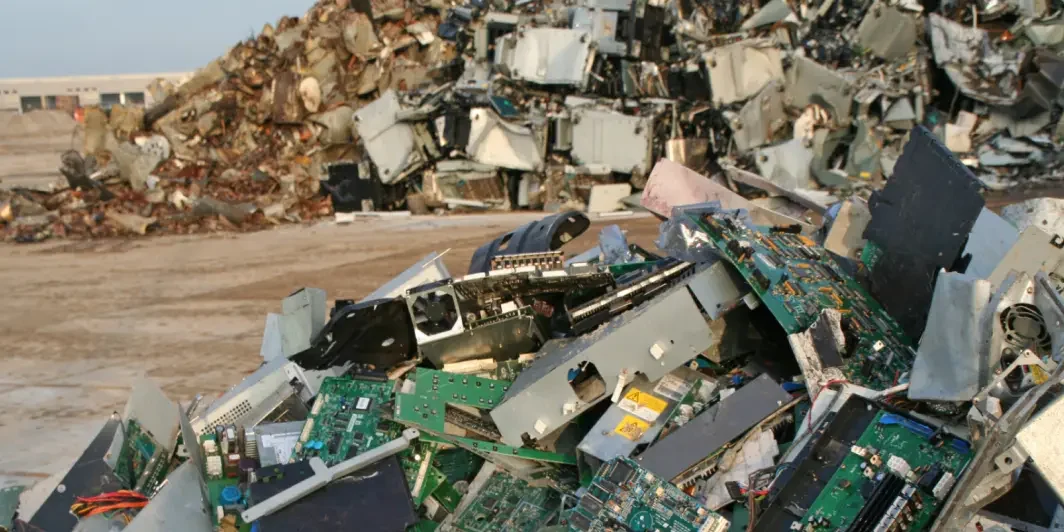
Informal recycling and cable burning
Impact of e-waste when treated wrongly
E-waste is hazardous because it contains toxic and harmful materials such as heavy metals like lead, cadmium, and mercury, polychlorinated-bi-phenyl (PCB), brominated flame retardants (BFRs), and chromium (VI). When these materials are not disposed of or treated properly, they can cause serious health hazards.
Direct contact with these harmful materials or exposure to toxic fumes can lead to health problems such as skin irritation, respiratory issues, and even cancer. In addition, recycling activities such as open burning or dismantling of electrical equipment carry an increased risk of impact on human health and the environment.
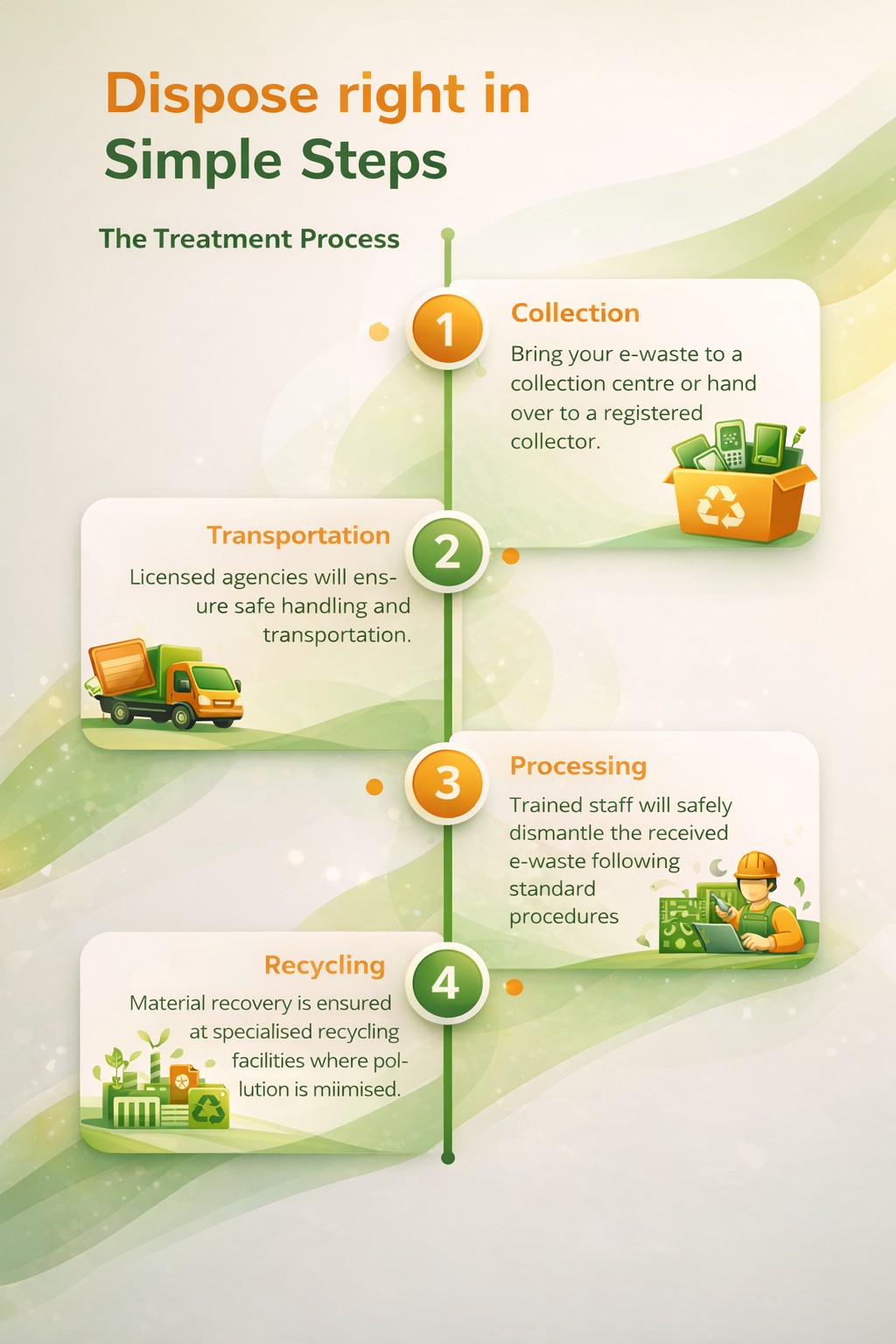
How to deal with the E-waste Fund
The Environmental Protection Agency (EPA) has issued Technical Guidelines on Environmentally Sound E-Waste Management.

E-Waste in Africa
Annual ewaste generated is about 700,000 tonnes and we are not processing even 1%
Key regional challenges include the importation of short-lifespan second-hand electronic equipment, limited formal recycling facilities and collection systems, widespread informal recycling practices (such as wire burning and manual dismantling), and significant environmental and public health risks in major e-waste hotspots across the continent.
E-Waste Generated
2.9M+
Formally Recycled
1%
Informal Workers
100k+
E-Waste in Ghana
Key regional challenges include economic losses estimated between USD 109–360 million to the Ghanaian economy due to informal activities, weak regulation, and unsafe disposal practices. These activities pose serious environmental and public health risks, particularly in major urban centers

We are Available 8am - 5pm Monday - Friday
Address:
No. 1 Rangoon Street, Off 5th Avenue Extension, Cantonments, Accra
P.O. Box CT 8024, Cantonments Accra
Call Us Anytime: 0302 984 455 / 0800-392-783
Email: info@e-wastefund.gov.gh